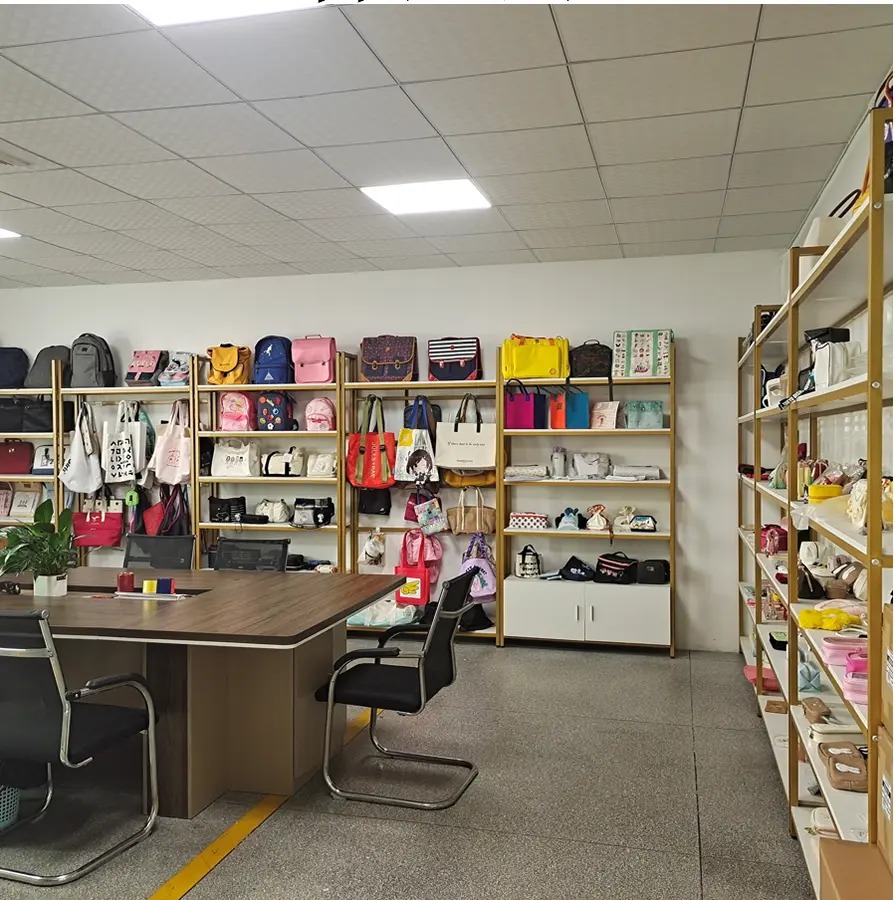
Explain which parts of the reference you want
A reference may show a shape you like, a fabric texture, a colour combination or a particular opening. Tell the supplier which elements matter and which can change. Otherwise the team may price an expensive construction detail that was never essential to your brief. A short explanation such as “keep the rounded shape and wide zipper opening, use our own colour and logo, and review a simpler lining” is more useful than asking for an exact copy of an image. Share only images and artwork you are authorised to use; develop your own branding and specification.
Separate visible details from the unknowns
A single photograph may not show the back, base, lining or inside pockets. It also cannot reliably establish the material composition, padding, film thickness or actual size. Mark those items as questions rather than letting assumptions become a quotation. This applies to product photos, sketches and AI concept images: each can communicate a visual direction, but a flat image is not a production specification. If you have a physical reference, discuss whether it can be reviewed alongside your written brief.
| A photo may communicate | It still needs confirmation |
|---|---|
| Overall silhouette and visible panel arrangement | Finished dimensions, usable internal space and pattern construction |
| A colour or surface direction | Selected material, composition, finish and physical colour reference |
| A logo concept | Original artwork, process, size and measured placement |
| A handle or opening style | Attachment, zipper access, reinforcement and intended contents |
| Visible compartments | Internal layout, lining and assembly details |
Use the products inside to establish a working size
Send the dimensions of the largest items and describe how the set will be arranged. Include cartons or protective packaging if they stay inside the bag. If you begin with a listed Changrong style, identify its model rather than relying on a screenshot alone. For example, PU pouch CR011 is listed at reference dimensions of 23 × 8 × 14 cm. That identifies a starting style; it does not promise that a particular bottle set will fit. The assembled sample should confirm the internal space, opening and closure with your contents.
Decide between modifying a style and developing a new construction
An existing reference style can help organise decisions about colour, logo, lining and packing around an agreed construction. A different silhouette, new compartment arrangement or changed component may need further pattern and sampling review. For a silicone pouch, changing geometry or moulded branding also needs a tooling discussion; the route is not the same as adjusting the cut panels of a sewn pouch. Ask the team to identify what can stay, what needs development and what remains undecided before treating an initial discussion as a final quotation.
Prepare one practical first brief
You do not have to invent every technical detail before contacting a supplier. Provide the facts you know and clearly list the decisions still open. On this site, the standard starting quantity is 500 pieces per design; share colour splits as well as the total quantity so material and trim minimums can be reviewed. If you have a delivery deadline, explain whether it means arrival at your warehouse or the date of a later launch.
- Reference image or a selected Changrong model.
- Intended contents and approximate size.
- Material and colour direction, with undecided items identified.
- Original logo artwork and desired effect.
- Pieces per design and proposed colour split.
- Packing, destination, required arrival date and any document requirements.
Review the proposed changes before approving a sample
Ask the supplier to explain construction decisions in plain language. If a zipper opening, handle attachment, lining or corner shape changes, understand how the revision affects appearance and use. A mockup can help check proportions and logo location, but the physical sample is the point to examine fit, surface feel, opening and workmanship. Record changes in one version of the specification. Do not leave the shape in one image, the logo in a later message and the dimensions in an older quotation with no clear final reference.
Plan sampling, production and shipping as separate stages
Sample cost and timing depend on the agreed design and are quoted for the project. Revisions may be needed before approval. Changrong’s typical bulk production window is 30–50 days after sample approval and order confirmation, with shipping additional. A concept image received today does not establish when the finished order can arrive. Give the supplier the actual deadline early and ask for the stages that must be completed before the production clock starts.
Choose the next step that matches your starting point
If you already like a Changrong style, send its model or product link with your planned changes. If you have your own reference, annotate it with the features that matter and send the intended contents and quantity. If you have a tech pack, identify the revision and include component and packing details. Each route should lead to the same outcome: a clear quotation, an agreed physical sample and one written specification for bulk production. The goal is a repeatable bag that serves your collection, not simply an image that looks convincing.
Ready to discuss your cosmetic bag?
Send a reference, estimated quantity of 500+ pieces per design, destination and your key requirements.
Send your project details ↗